⚖️ District Court Jobs 2026 — Eligibility Checker
📌 Use the eligibility checker above to find which district court posts match your education level and location.
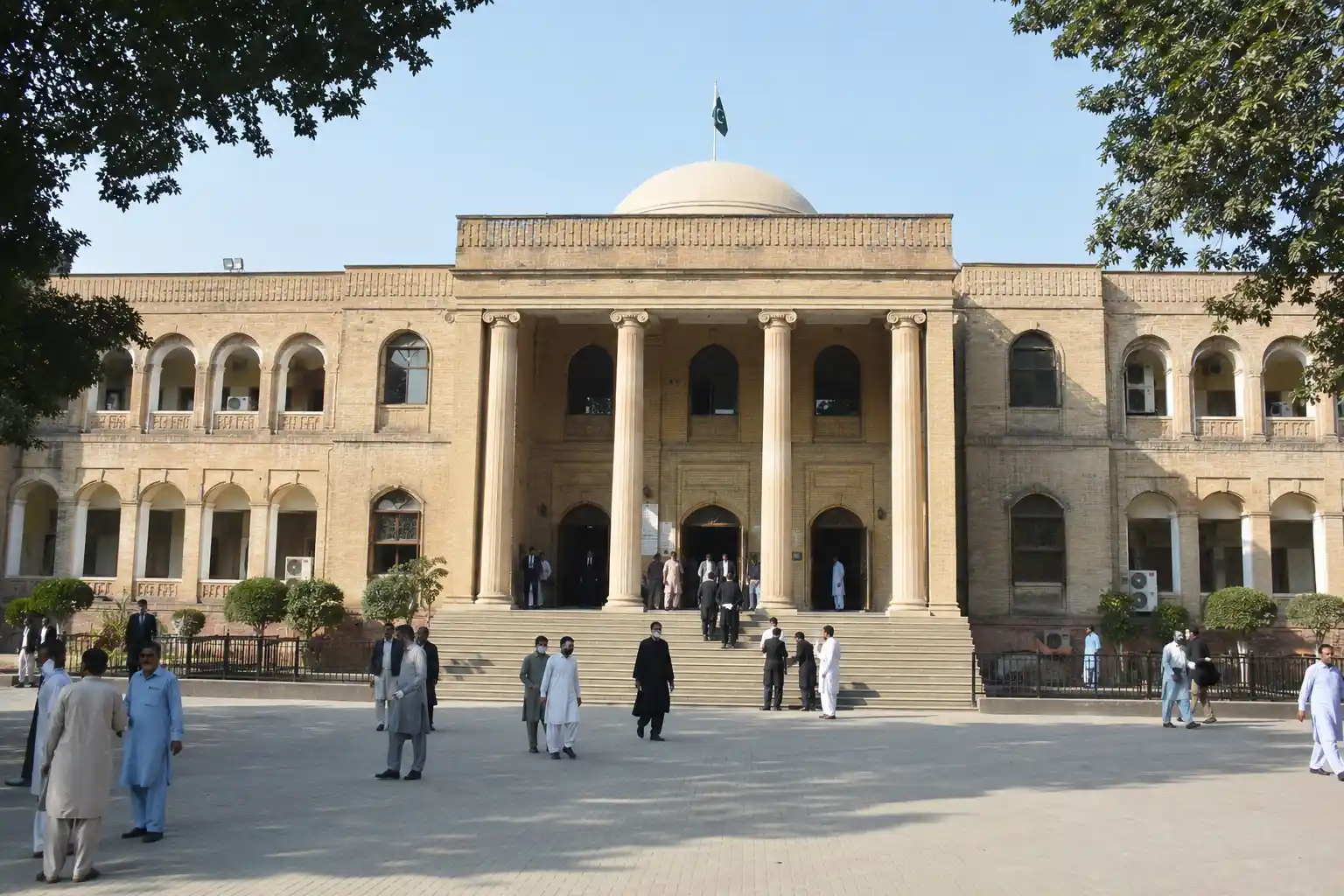
District Court Jobs 2026 — The Government Career Most Candidates Overlook
Pakistan has hundreds of district courts spread across every tehsil and district in the country. Each one employs clerks, stenotypists, process servers, record keepers, and support staff — and they recruit independently, which means district court jobs 2026 opportunities appear throughout the year rather than in a single annual cycle.
Most candidates I've spoken with have never applied for a district court position simply because they didn't know the process. They assume you need to go through PPSC or NTS, or that court jobs are somehow more complicated to access. In reality, district court recruitment is often more straightforward than either of those routes.
This guide breaks down what posts are available at each education level, what the salary looks like, how district court hiring actually works, and what gives some applicants a real edge over others.
District court jobs vs high court jobs — the key differences
Before getting into specifics, it helps to understand where district courts sit in the judicial system — because it directly affects how recruitment works.
High Courts are provincial-level institutions. District courts operate at the district and tehsil level, and there are far more of them — every district in Pakistan has a Sessions Court, and most tehsils have their own Civil and Criminal courts below that. This means district court jobs 2026 openings are considerably more numerous and geographically distributed than High Court vacancies.
The trade-off is that district courts generally pay slightly less than equivalent High Court positions, because High Courts have some flexibility in supplementary allowances that district courts don't always match. That said, the core BPS salary, pension, and benefits are the same across both levels. A full comparison of how these grades translate to actual take-home pay is available in our BPS Salary Scale 2026 guide.
Important tip: One genuine advantage of district court jobs 2026 over High Court positions is proximity. District court postings are typically within your own district or adjoining areas — which for candidates who need to stay close to home is a significant practical advantage over federal or provincial government jobs that could post you anywhere.
What posts are available — by education level
District courts recruit across a wider range of education levels than most people realize.
Primary or Middle pass: Peon, Naib Qasid, Chowkidar, and Sweeper posts. These are entry-level support roles but carry full government employment benefits — pension, medical, and permanent status after the probation period.
Matric holders: Process Server, Dispatch Rider, Bailiff, and Junior Clerk (basic). The Process Server role is worth highlighting — it involves serving court notices and legal documents, requires physical fitness for fieldwork, and is regularly advertised across districts.
Intermediate holders: Junior Clerk, Stenotypist, Record Keeper, and Computer Operator. These are the most frequently advertised positions in district courts, and intermediate-level candidates have the widest range of openings to target.
Bachelor's degree holders: Senior Clerk, Accountant, Administrative Officer, and Bench Clerk. These require both a written test and usually an interview, and competition tends to be higher than for lower-grade posts.
Salary — what district court jobs 2026 actually pay
Salaries at district courts follow the standard BPS scale with applicable allowances. Here's a realistic breakdown:
Peon / Naib Qasid (BPS-1 to BPS-3): PKR 22,000 to PKR 30,000 monthly gross.
Process Server / Dispatch Rider (BPS-5 to BPS-7): PKR 28,000 to PKR 42,000 monthly gross.
Junior Clerk / Stenotypist (BPS-7 to BPS-11): PKR 33,000 to PKR 52,000 monthly gross.
Senior Clerk / Accountant (BPS-14 to BPS-16): PKR 45,000 to PKR 72,000 monthly gross.
These figures include basic pay plus standard allowances — house rent, medical, and conveyance. The pension benefit, which kicks in after qualifying service, adds significant long-term value that isn't reflected in the monthly number alone.
Real situation: Many candidates compare district court salaries to private sector entry-level wages and find them unimpressive at first glance. What that comparison misses is that district court jobs 2026 come with pension, annual increments, medical coverage, and virtually unbreakable job security once confirmed — benefits that most private sector jobs at equivalent salary levels simply don't offer.

How district court recruitment actually works
This is where district courts differ most significantly from centralized government recruitment, and understanding it changes how you approach your job search.
District court jobs 2026 are advertised by individual district courts — or by the District and Sessions Judge's office — rather than through PPSC, FPSC, or NTS. This means there's no single portal that aggregates all district court vacancies nationwide. Each district manages its own process.
Advertisements typically appear in local Urdu newspapers, on provincial government district portals, and sometimes on the relevant High Court's website. The Lahore High Court, for example, sometimes oversees district court recruitment in Punjab and publishes notifications on its portal.
The selection process generally involves a written test for clerical positions, a skill test for Stenotypist applicants (typing and shorthand), and an interview for senior positions. Processing time is usually faster than centralized recruitments — 6 to 10 weeks from advertisement to appointment is typical for lower-grade posts.
How to find district court vacancies in your area
Given that each district advertises independently, the monitoring strategy needs to be local rather than national:
Local Urdu newspapers: This remains the most reliable channel for district court advertisements in smaller cities and rural districts.
Provincial High Court website: For Punjab, lhc.gov.pk sometimes carries district-level advertisements. For Sindh, hc.sindh.gov.pk. KPK candidates should check peshawarhighcourt.gov.pk.
District government portals: Many larger districts now have their own official websites where vacancy notifications appear. Searching for your district name followed by "official website" usually surfaces these.
For a broader comparison of how district court jobs 2026 fit within the overall judicial employment landscape in Pakistan, our High Court Jobs 2026 Pakistan guide covers the provincial High Court level in detail — useful context if you're deciding which tier to target first.
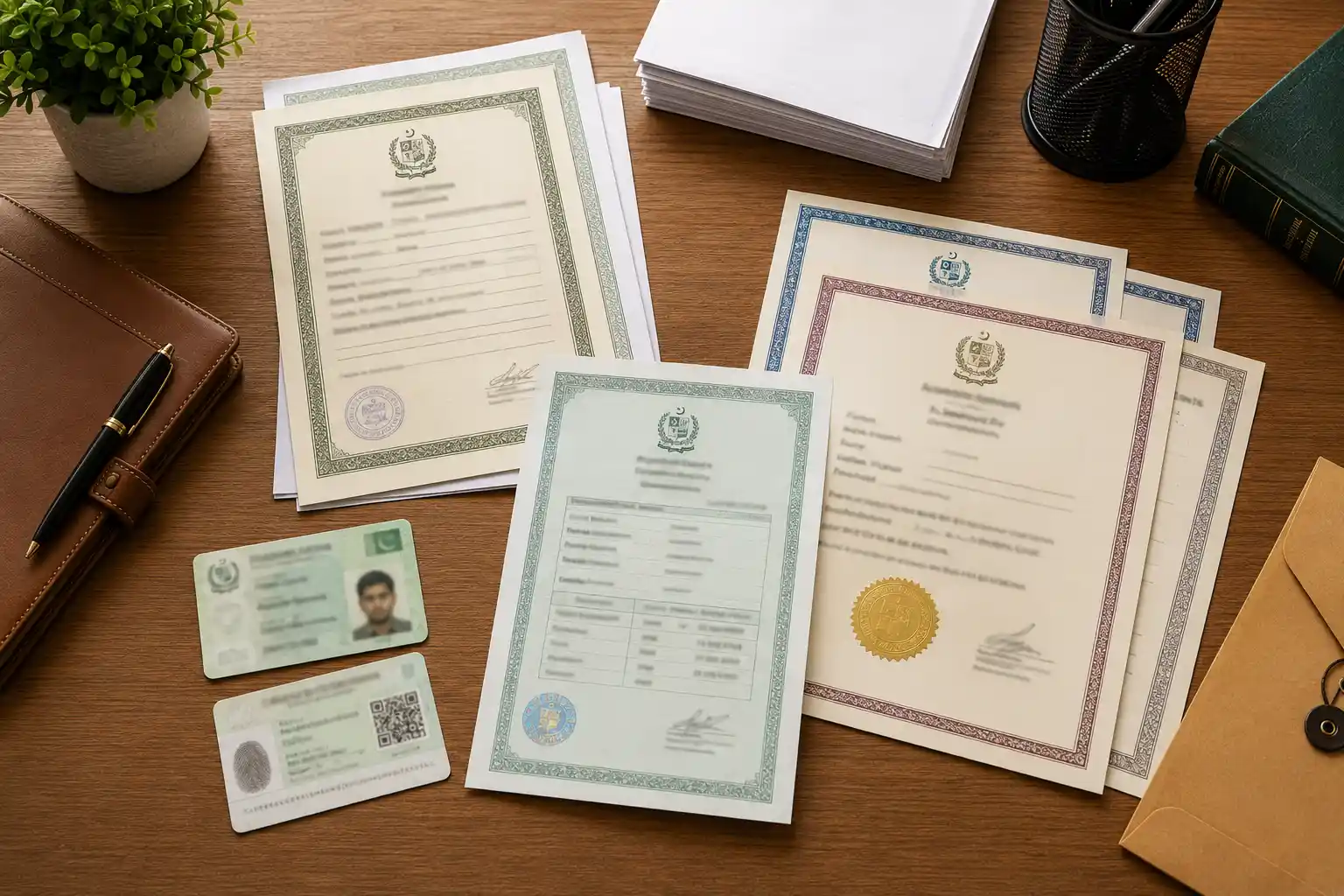
Documents required for district court jobs 2026
Preparing these in advance means you can apply within days of an advertisement appearing — which matters because district court vacancies often have short application windows:
1. CNIC — original and photocopies
2. All educational certificates (HEC-attested for degree holders)
3. Domicile certificate — district-specific in many cases
4. Police character certificate — issued by your local police station
5. Passport-size photographs (2 to 4 typically required)
6. Medical fitness certificate — required for most positions at the appointment stage
Common mistakes applicants make with district court applications
A few patterns come up consistently:
1. Applying with a domicile from outside the district — many district court vacancies specifically require local domicile. Applying without checking this results in rejection at the document verification stage regardless of test performance.
2. Missing advertisements entirely — because they're checking national job portals rather than local newspapers and district government websites where district court jobs 2026 actually appear.
3. Underestimating the Stenotypist test — candidates who haven't specifically practiced shorthand transcription at the required speed consistently underperform in this test, even when their general written test preparation is solid.
4. Not understanding the court hierarchy during the interview — basic knowledge of how district courts relate to High Courts, and what each officer in the court does, comes up in interviews for senior posts and catches many candidates off guard.
Frequently Asked Questions
Q: What are district court jobs 2026 and who can apply?
District court jobs 2026 refer to vacancies in Pakistan's district and tehsil-level courts — positions ranging from Peon and Process Server at the Matric level to Accountant and Senior Clerk for degree holders. Anyone meeting the education and domicile requirements for a specific district can apply when vacancies are advertised by that district's court.
Q: Do I need to pass NTS or PPSC for district court jobs?
No. District courts conduct their own independent recruitment — neither NTS nor PPSC is involved in most district court hiring. Individual district courts or the District and Sessions Judge's office manage the process directly, which is why monitoring local channels rather than centralized portals is essential.
Q: What is the salary for a Junior Clerk in a district court?
A Junior Clerk in a Pakistani district court earns approximately PKR 33,000 to PKR 52,000 monthly gross, depending on the district and applicable BPS grade. This includes basic pay plus standard government allowances for house rent, medical, and conveyance.
Q: Are district court jobs posted in my home district?
Generally yes — district court jobs 2026 are recruited locally, and most vacancies require local domicile. This makes them one of the few government career paths where you have a genuine chance of being posted near home rather than relocated to another city or province.
Final thought
District court jobs 2026 are among the most accessible government career paths in Pakistan — available at education levels from Primary to Bachelor's, posted locally, and processed faster than most centralized recruitments. The main barrier most candidates face isn't eligibility — it's simply not knowing these vacancies exist or where to find them.
Start by monitoring your local newspaper's job section and your province's High Court website. When a vacancy appears in your district, move quickly — the application windows are often shorter than PPSC or NTS processes.
Disclaimer: Salary figures and post availability are based on general district court recruitment patterns and may vary by district and advertisement. Always confirm requirements through the official notification when vacancies are announced.
Free Court & Government Job Alerts!
District Court, High Court, and all government job updates — free on WhatsApp and Telegram.