⚖️ High Court Jobs 2026 — Eligibility Checker
📌 Use the eligibility checker above to see which High Court posts match your education level and province.
High Court Jobs 2026 Pakistan — What's Actually Available and How to Get In
When people think about government careers in Pakistan, they usually think of PPSC exams, army recruitment, or police jobs. High court jobs 2026 Pakistan rarely come up in those conversations — which is honestly part of what makes them worth paying attention to.
Pakistan's High Courts recruit independently of PPSC and FPSC. They run their own hiring processes, maintain separate pay structures that are often above standard BPS equivalents, and offer one of the most stable working environments in the public sector. Yet most candidates I've spoken with weren't even aware you could apply directly to a High Court.
This guide covers what posts are available, what the eligibility requirements look like at each education level, what the salary actually amounts to, and how the recruitment process works across the four provinces.
Why high court jobs are worth considering
The working environment in a High Court is distinctly different from most government departments. The pace is structured, the hierarchy is clear, and once you're confirmed, the job security is among the strongest in the public sector.
Beyond stability, High Courts tend to pay slightly above equivalent BPS grades from provincial departments, because their pay structures have some flexibility outside the standard government scale. A Junior Clerk at a High Court typically earns more per month than a Junior Clerk at a district government office at the same grade level.
Important tip: High Court jobs 2026 Pakistan advertisements are not always carried by the main job portals. Many people miss them entirely because they only monitor NTS or PPSC notifications. Following each province's High Court official website directly is the most reliable way to catch these openings when they appear.
Posts available at Pakistan High Courts
High Courts across Pakistan recruit for both judicial support and administrative positions. The range is wider than most candidates expect.
For Matric holders: Naib Qasid, Peon, Process Server, Chowkidar, and Dispatch Rider posts. These are support-level roles but carry the same federal employment benefits — pension, medical, and job security — as higher-grade positions.
For Intermediate holders: Junior Clerk, Stenotypist, Record Keeper, and Data Entry Operator posts. The Stenotypist role in particular is worth noting — shorthand typing proficiency is tested, and candidates who prepare for it specifically tend to have a clear advantage over those who treat it as an afterthought.
For Bachelor's degree holders: Senior Clerk, Accountant, Administrative Assistant, and Assistant Superintendent roles. These require written tests and often an interview stage.
For LLB holders: Legal Assistant, Research Officer, Law Clerk, and Bench Secretary positions. These are the most sought-after roles and require a demonstrated understanding of legal procedures beyond just holding the degree.
Salary — what high court jobs 2026 Pakistan actually pay
Salary at High Courts follows a modified BPS structure. Here's a realistic picture of what different levels actually earn monthly, including standard allowances:
Naib Qasid / Peon (BPS-1 to BPS-4): PKR 26,000 to PKR 35,000 monthly gross.
Junior Clerk / Stenotypist (BPS-7 to BPS-11): PKR 35,000 to PKR 52,000 monthly gross.
Senior Clerk / Accountant (BPS-14 to BPS-16): PKR 50,000 to PKR 75,000 monthly gross.
Legal Assistant / Research Officer (BPS-16 to BPS-17): PKR 65,000 to PKR 1,10,000 monthly gross.
For the full breakdown of how BPS grades translate to actual take-home pay across all government departments, our BPS Salary Scale 2026 guide covers the complete table including house rent, medical, and conveyance allowances.
Real situation: I've noticed that many candidates underestimate High Court salaries because they assume they follow the exact same scale as provincial departments. In practice, some High Courts — particularly Lahore and Sindh — have supplementary allowances specific to judicial staff that aren't part of standard BPS compensation. This makes the real package better than the grade alone suggests.
How high court recruitment actually works
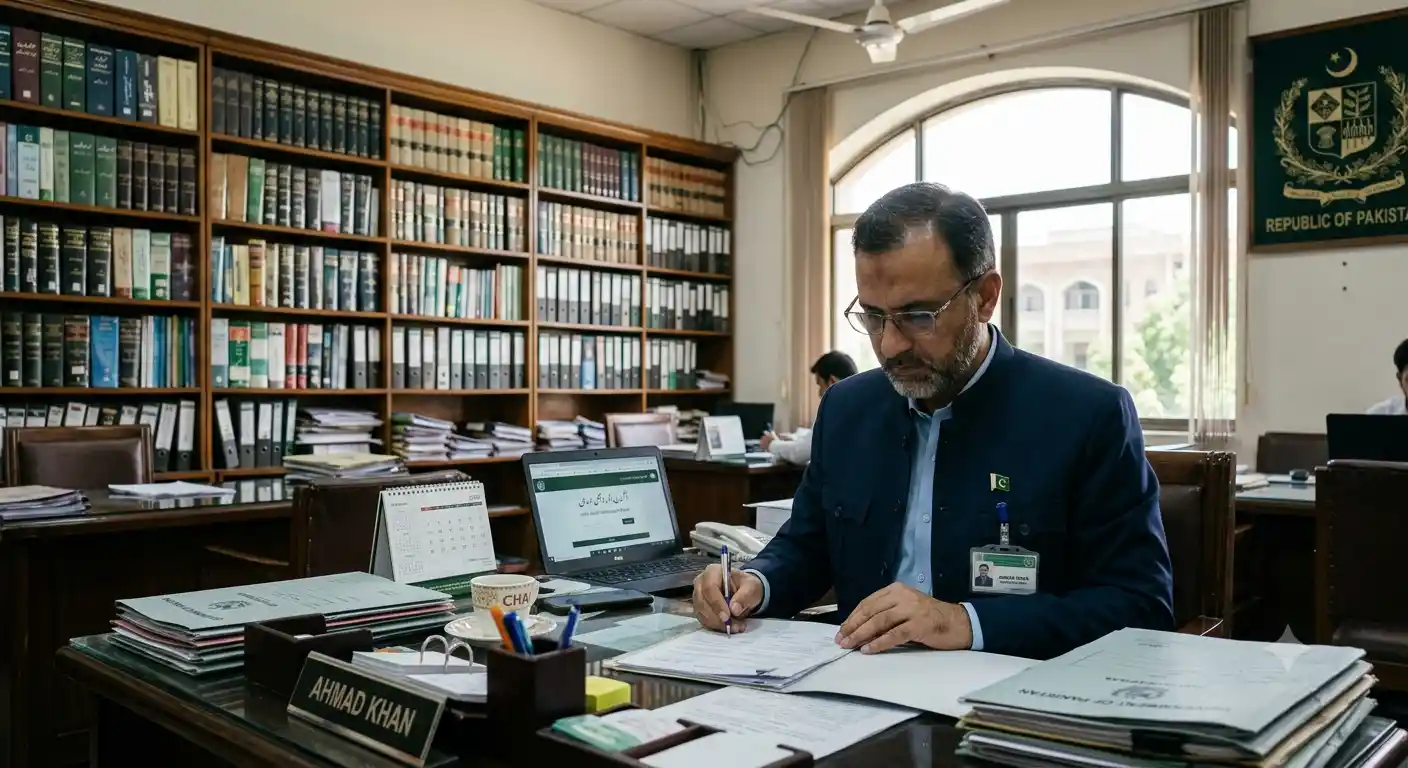
This is where most first-time applicants get confused — because the process is genuinely different from what they're used to with PPSC or NTS.
Each High Court handles its own recruitment independently. The Lahore High Court (Punjab) advertises through its own portal and sometimes in print. The Sindh High Court follows a similar independent process. KPK's Peshawar High Court and Balochistan High Court do the same.
There is no single national portal that aggregates High Court jobs 2026 Pakistan listings. This is precisely why so many qualified candidates miss these opportunities — they're only monitoring PPSC or Rozee.pk, which don't consistently carry High Court advertisements.
The selection process typically involves a written test (for clerical and above grades), followed by a skill test where applicable (typing and shorthand for Stenotypist), and then an interview. The timeline from advertisement to appointment tends to be faster than PPSC — usually 2 to 4 months rather than the 6 to 12 months that PPSC processes often take.
Province-wise High Court portals
Lahore High Court (Punjab): lhc.gov.pk
Sindh High Court: hc.sindh.gov.pk
Peshawar High Court (KPK): peshawarhighcourt.gov.pk
Balochistan High Court: bhc.gov.pk
Bookmark your relevant province's portal directly. These websites are where recruitment advertisements appear first — sometimes weeks before they reach any third-party job listing site.
Documents you'll need for high court jobs 2026 Pakistan
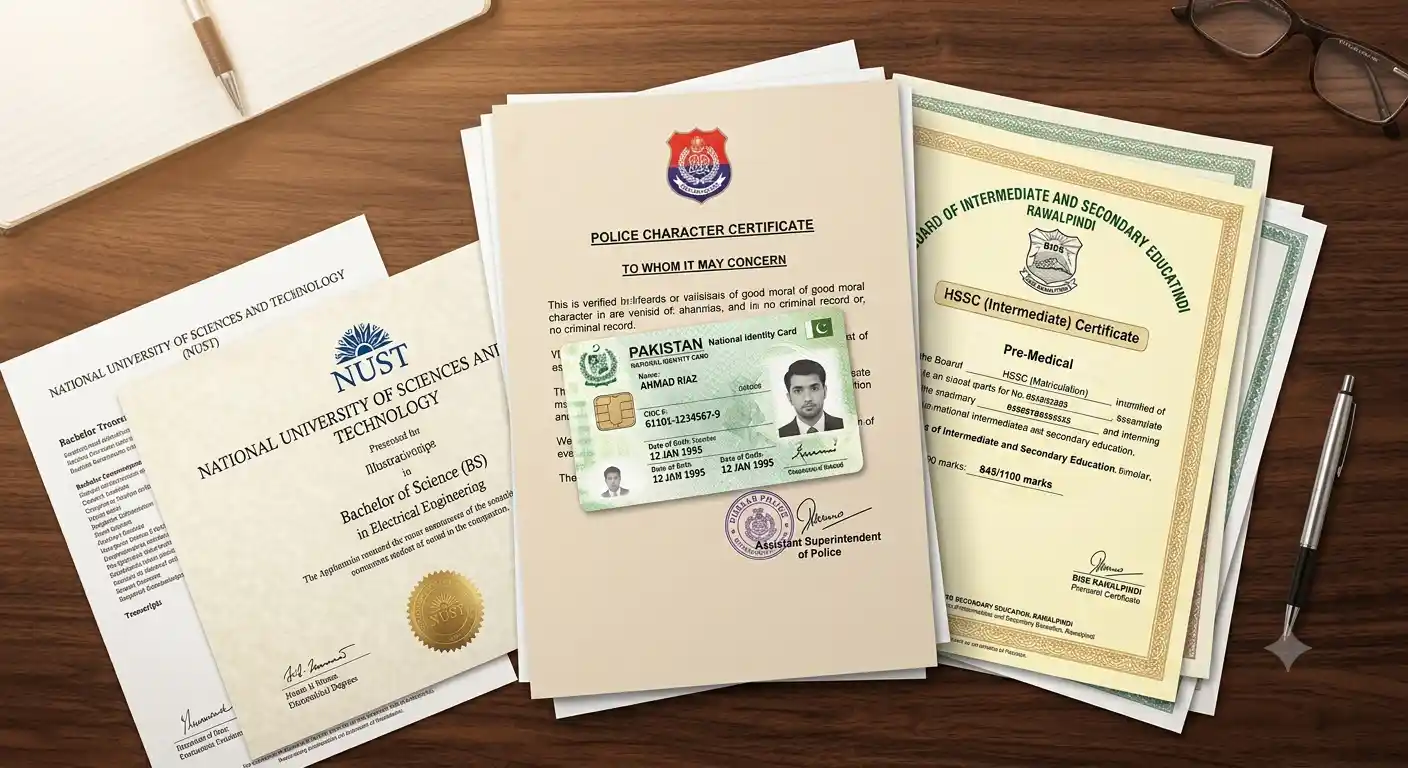
Most High Court applications require a standard set of documents. Having these ready before an advertisement appears means you can apply within the first few days — which matters more than people realize, since these positions attract significant competition once they're announced.
1. CNIC (original and copies)
2. Educational certificates (all levels, HEC-attested for degree holders)
3. Domicile certificate (province-specific)
4. Police character certificate
5. Passport-size photographs (usually 2 to 4)
6. Experience certificate (where applicable for senior roles)
Common mistakes applicants make
A few patterns come up consistently with High Court applications:
1. Missing the advertisement entirely — because they're not monitoring the official High Court website directly.
2. Applying without checking domicile requirements — High Courts recruit from their respective provinces, and applying with the wrong provincial domicile results in immediate rejection.
3. Treating the Stenotypist test casually — the typing and shorthand test has a specific speed requirement that many candidates aren't prepared for. Practicing well in advance makes a genuine difference.
4. Not preparing specifically for court-related general knowledge — written tests for High Court clerical posts sometimes include questions about basic legal terms, court procedures, and the judicial hierarchy in Pakistan. Candidates who prepare only general NTS-style material often find themselves caught off guard.
Frequently Asked Questions
Q: What are the main high court jobs 2026 Pakistan available for fresh graduates?
Fresh graduates with a Bachelor's degree can apply for Senior Clerk, Administrative Assistant, and Accountant posts. LLB graduates are eligible for Legal Assistant and Research Officer positions. Intermediate holders can target Junior Clerk and Stenotypist roles, which are among the most frequently advertised positions across all four provinces.
Q: Do I need to pass PPSC to get a high court job?
No. High Courts conduct their own independent recruitment — PPSC is not involved. Each province's High Court runs its own written tests, skill assessments, and interviews. This makes the process more direct, though it also means you need to monitor each court's official website separately rather than just watching the PPSC portal.
Q: What is the salary for a Junior Clerk in a Pakistani High Court?
A Junior Clerk at a Pakistani High Court earns approximately PKR 35,000 to PKR 52,000 monthly gross, depending on the province and any supplementary judicial allowances. This is generally above what the same BPS grade earns in a standard provincial department.
Q: How can I find out when High Court vacancies are announced?
Bookmark your province's High Court official website directly — lhc.gov.pk for Punjab, hc.sindh.gov.pk for Sindh, peshawarhighcourt.gov.pk for KPK, and bhc.gov.pk for Balochistan. Advertisements appear there first, often before reaching job portals or newspapers.
Final thought
High court jobs 2026 Pakistan represent a genuinely underrated career path. The combination of stability, above-standard compensation, and an independent recruitment process that moves faster than PPSC makes these positions worth actively tracking — not just applying for when you happen to stumble across an advertisement.
Bookmark the relevant High Court portal for your province, have your documents ready, and check back regularly. When vacancies open, the window between advertisement and application deadline can be short.
Disclaimer: Salary figures and post availability are based on general High Court recruitment patterns and may vary by province and advertisement. Always confirm current vacancies and requirements through the official High Court website for your province.
Free Court & Government Job Alerts!
High Court, District Court, and all government job updates — delivered free on WhatsApp and Telegram.